There’s a strange physics to packing for a move. It seems that no matter how much you own, it somehow expands to fill an infinite number of boxes. Suddenly, that minimalist decor has turned into a mountain of objects needing a safe journey to your new home. When handling the move yourself, the fate of your belongings rests on the quality of the materials you use to pack them.
Using the wrong supplies is a gamble. A flimsy box can buckle, weak tape can split, and insufficient padding turns a bumpy road into a disaster for your favorite coffee mugs. Choosing the best packing materials for moving is the simplest way to protect your belongings and avoid the stress of broken items on moving day.
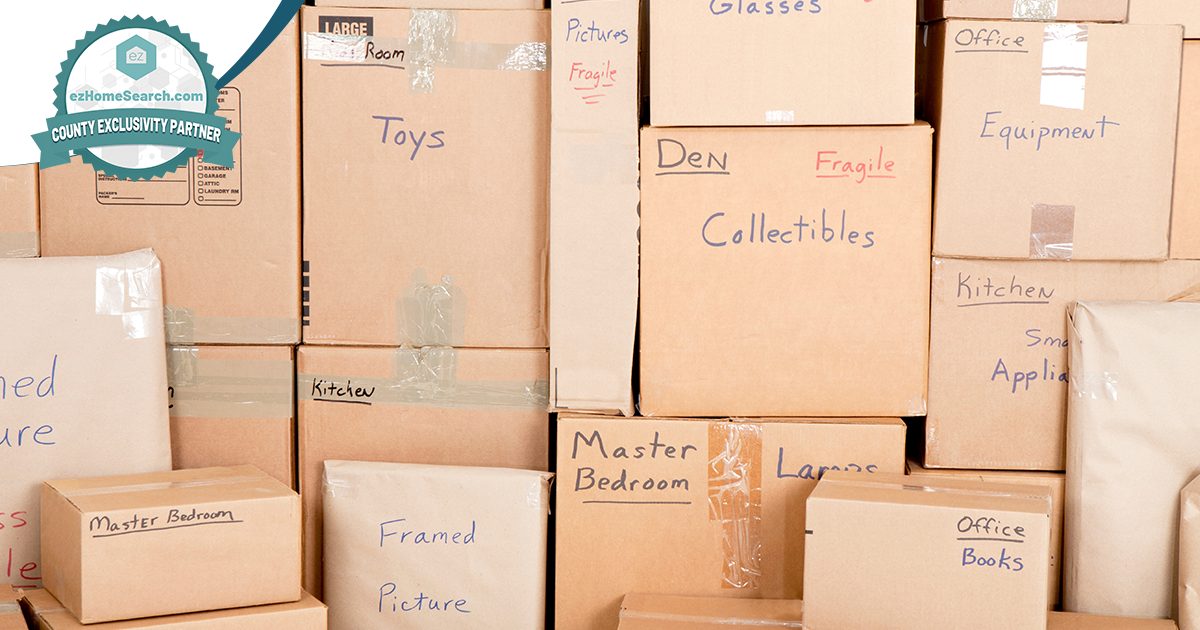
Building Your Packing Foundation
Before you pack a single item, assemble the core supplies that form the backbone of a successful move. Investing in quality materials from the start will save you potential headaches down the road.
Essential Packing Materials Checklist
Sturdy cardboard boxes in multiple sizes
Packing paper
Bubble wrap
2” wide packing tape
Permanent marker
Moving Boxes: The Unsung Guardians
It’s tempting to collect free boxes from grocery stores or online marketplaces, but free isn’t always best. A repurposed banana box might not have the structural integrity to support your heavy book collection.
Moving needs durable boxes specifically designed for stacking and transport. That means thicker cardboard with structure. You want:
Small Boxes (1.5 cubic feet): These are the champions for heavy items. Use them for books, hand tools, canned foods, or small, dense electronics. Keeping weight concentrated in small, manageable boxes prevents them from becoming back-breaking heavy and protects the box from bursting.
Medium Boxes (3.0 cubic feet): Consider these the versatile workhorses of your move. They are ideal for a mix of items, such as kitchenware, toys, photo albums, and smaller decorative pieces. Their size is a good compromise between capacity and portability.
Large Boxes (4.5 cubic feet): Reserve these for items that are light but take up a lot of space. Think pillows, bedding, comforters, and large lampshades. Resist the urge to fill them with heavy goods. A large box packed with books is a moving day mistake you will come to regret.
A good rule of practice is to think about density. Your collection of antique cast-iron skillets belongs in a small box. The kids’ assortment of plush animals can comfortably fill a large one.
Packing Tape: Your Seal of Security
A move is no time to be thrifty with tape. A low-quality adhesive can fail under the stress of transit. Look for a high-quality packing tape that is at least two inches wide and made for shipping or moving.
To properly secure your boxes, use the "H-Tape" method. Run one strip of tape along the center seam where the box flaps meet. Then, apply tape along both side seams of the box top and bottom. This technique creates a durable seal that reinforces the box and withstands the pressure of stacking and moving.
Protecting Your Valuable Fragile Items
Some possessions require more than a box and crumpled paper. Packing materials for fragile items build a soft yet sturdy cocoon for everything from glassware to artwork.
Bubble Cushioning
For your most delicate belongings, the air-filled pockets of bubble wrap act as powerful shock absorbers. Your things will get jostled around during the move. You don’t want to hear the sound of shattered glass when opening the box of wine glasses.
Wrap individual items like plates, glasses, and picture frames in at least one layer. For exceptionally delicate objects, such as a ceramic vase or a crystal decanter, use multiple layers to make a soft shield. The goal is to stop items from making any contact with each other or the edges while inside the box.
Packing Paper
Clean, ink-free packing paper is one of the most versatile supplies you can have. Being less bulky than bubble cushioning, it is perfect for wrapping everyday dishes or filling empty spaces in boxes. Crumple it up and use it as padding between layers or to shape to form around ceramics and odd items.
Professional packing paper will not leave ink stains on your white towels, fine China, or other light-colored items like newspaper. It’s a small detail that makes a big difference when you’re unpacking in your new space.
Specialty Packing Supplies Moving Companies Use
Awkwardly shaped or specialty items necessitate specific solutions. We’re talking about large televisions, clothes, and furniture. A standard box won’t work for these specific belongings.
Wardrobe Boxes
These tall, durable boxes feature a built-in metal bar, letting you transfer clothes on hangers directly from your closet into the box. This saves an incredible amount of time by eliminating the need to fold, pack, and later iron dozens of garments.
Wardrobe boxes are perfect for suits, dresses, coats, and any clothing you want to arrive looking fresh and unwrinkled. They also have space at the bottom that is great for packing shoes, belts, or other closet accessories.
Dish Pack Boxes
If your kitchen contains a cherished set of dinnerware, you will appreciate dish packs. These boxes are built with extra-thick, double-walled cardboard for superior strength and protection. They can include cardboard cell dividers that create individual compartments for glasses, mugs, and stemware.
Isolating each piece lowers the risk of breakage. For maximum safety, wrap each item in packing paper before placing it into its designated cell. Your stemware collection will arrive ready for a celebratory toast.
Picture & Mirror Boxes
Moving large, flat, and breakable items like flat-screen televisions, mirrors, framed art, and glass tabletops can be stressful. Telescoping cardboard picture boxes adjust to fit frames of various sizes.
For an added layer of defense, wrap the item in a moving blanket or several layers of bubble cushioning before boxing it up. Be sure to clearly label the box as "FRAGILE" and “This Side Up” on all sides so your moving help knows to handle it with the utmost care.
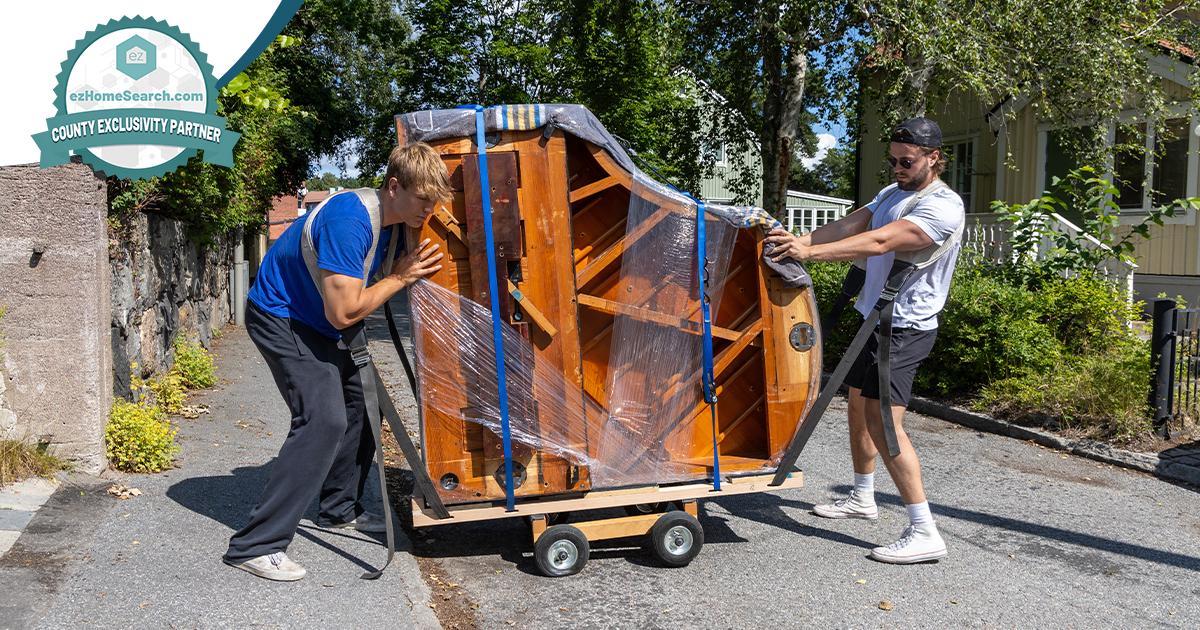
Moving Blankets
Moving blankets, or furniture pads, protect large, bulky items and furniture during a move. These thick, durable fabric pads are specifically designed to shield wood, metal, and upholstery from scuffs, scratches, dents, and dirt while pieces are being carried, loaded onto the truck, and transported. Their layer of cushioning absorbs impact and prevents friction damage. Wrapping items like dressers, tables, sofas, and large appliances in moving blankets ensures that your most valuable and difficult-to-replace belongings arrive at your new destination in pristine condition.
Sourcing Your Packing Materials for a Move
Knowing what you need is half the battle; the other half is knowing where to find it all. You have several options to suit different budgets and preferences.
Moving Companies: The most convenient source is your moving company itself. They can supply professional-grade materials, from boxes to specialty packs, and often deliver them directly to your door. This is a great way to get everything you need in one place.
Big-Box & Hardware Stores: Retailers like The Home Depot, Lowe’s, and U-Haul have dedicated sections for moving supplies. This allows you to see the materials firsthand and buy exactly what you need.
Online Retailers: Websites like Amazon or specialized moving supply stores can have competitive pricing and the convenience of home delivery. Just be sure to place your order well in advance of your planned packing dates to account for shipping times.
Community Groups: Check local online forums like Facebook Marketplace or Nextdoor. People who have just completed a move are frequently looking to pass on their gently used boxes for free or at a low cost. Always inspect used boxes to confirm they are clean, dry, and structurally sound.
The Professional Packing Advantage
Packing is frequently the most time-consuming and labor-intensive part of any move. This is where professional moving companies can truly make a difference.
Many full-service movers give you the option of professional packing services. A team of trained packers will efficiently and safely pack your entire home—or just a few specific rooms—using the best techniques and materials. They have the experience to know precisely how to protect everything from your grandmother's China to your new smart TV.
Opting for this service saves you countless hours and reduces stress. When the movers pack it, it’s typically covered by their valuation policy. If you pack it yourself, but they move it, you’re still usually on the hook for any damage. With the right materials, be confident that your belongings will arrive at your new home safe, sound, and ready for the next chapter of your life.
About the Author: Preston Guyton is the founder of ez Home Search. He has been a real estate leader for over 20 years. Starting with a focus in South Carolina, he has helped coach and empower real estate professionals to achieve their full potential by meeting the needs of their local community.